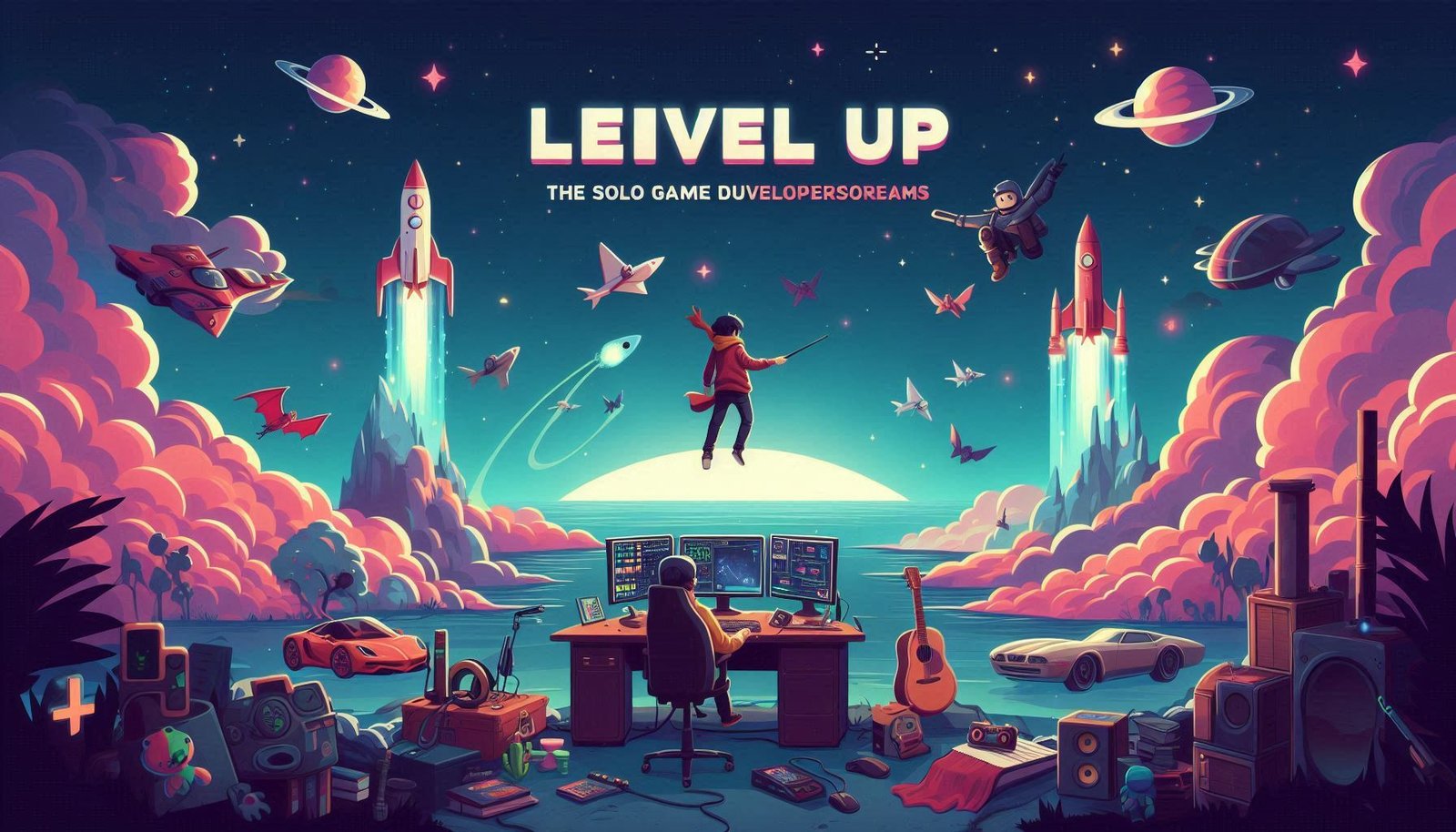
Ever dreamt of creating your own worlds, crafting compelling stories, and bringing your unique game ideas to life? You're not alone! The path of the solo game developer is challenging but incredibly rewarding. It's a journey that requires a diverse skillset, unwavering dedication, and a healthy dose of passion.
This isn't just about coding (though that's a big part!). Being a successful solo dev means wearing many hats: designer, programmer, artist (sometimes!), sound engineer, marketer, and project manager. Sounds daunting? Don't worry, we're here to break it down.
The Essential Toolkit:
Your journey begins with the right tools. Luckily, the game development landscape offers a wealth of accessible and powerful software. Consider exploring:
Game Engines: Unity (great for 2D/3D, C# scripting, used in Hollow Knight), Unreal Engine (high-fidelity 3D, Blueprint system, powers Fortnite), Godot (free, open-source, Python-like GDScript, seen in Cassette Beasts).
Art & Animation: Aseprite ($19.99 pixel art tool, used in Celeste), Krita (free digital painting for concept art), Blender (free 3D modeling, prototyping for Spider-Man: Into the Spider-Verse).
Audio: Audacity (free audio editing, pair with Freesound.org), LMMS (free DAW for chiptunes or orchestral tracks).
Project Management: Trello (free Kanban boards for task tracking), Asana (robust timelines for complex projects), Google Sheets (track milestones, budgets, or stats like player health).
Start with free tools to keep costs low, then scale up as your project grows!
Building Your Game: Step by Step
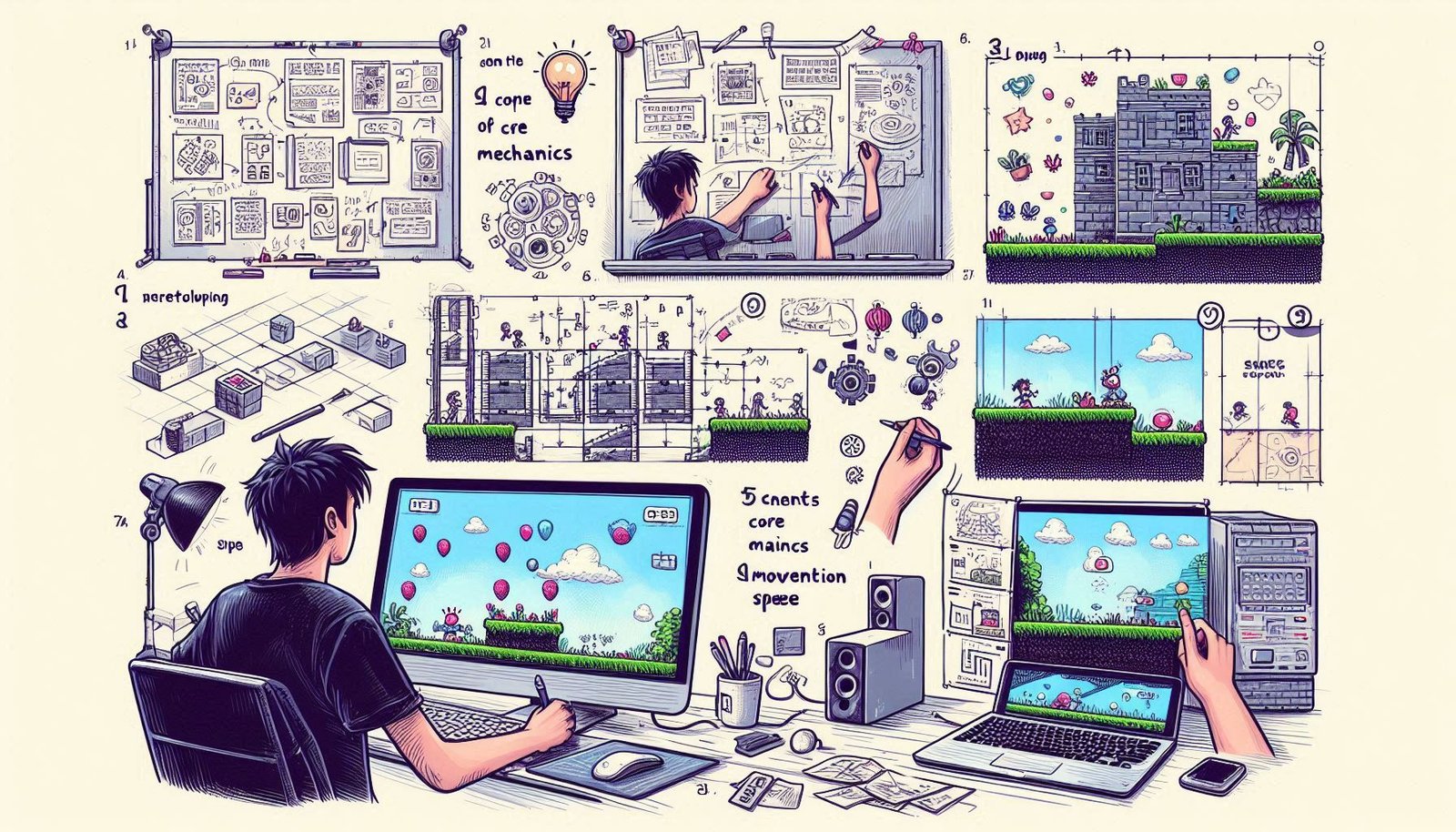
Creating a game is a marathon, not a sprint. Break down your ambitious vision into structured, manageable steps:
Concept & Prototyping: Start with a clear, simple idea. Spend 1-2 weeks creating a minimum viable prototype (MVP)—for example, a basic platformer with jumping and movement. Focus on core mechanics rather than polish. Tools like GameMaker’s drag-and-drop or Unity’s built-in physics can help speed up early development.
Developing Core Mechanics: Gameplay feel is key. Fine-tune mechanics like jump height, movement speed, or combat responsiveness until they feel satisfying—similar to how Stardew Valley refined its farming loop. Playtest early and tweak based on feedback.
Content Creation: Don't get stuck on art too soon. Use placeholders (colored squares or simple sprites) to test mechanics first. As your game takes shape, replace them with assets from OpenGameArt.org or create your own. Integrate sound design and a simple 1-page story to give your game depth.
Rigorous Testing: Bugs and balance issues can ruin a great concept. Playtest every 2-4 weeks with friends, game dev communities, or r/gamedev. Keep track of bugs and feature requests in a spreadsheet, organizing by priority, description, and status to streamline fixes.
Polish & Refinement: Small details make a big difference. Add screen shake, particle effects, smooth UI transitions, and satisfying sound cues—like the polish in Celeste that makes jumping feel responsive. In the final stretch, focus on fixing at least one bug or improvement daily to ensure a polished launch.
Fun fact: Indie developers spend 50-70% of their development time on polish (GDC talks). Attention to detail turns a good game into a great one!
Shouting from the Rooftops: Marketing Your Masterpiece:
Your game is amazing, but how will players discover it? Marketing is no longer optional:
Build an Online Presence: Post gameplay GIFs on Twitter (2-3x engagement), build a Wix/Carrd landing page with a trailer.
Engage with Your Audience: Share devlogs on YouTube or itch.io (like Hades), reply to early comments for loyalty.
Utilize Platforms: Steam (30% cut, aim for 500 wishlists), itch.io (no cut, great for testing), mobile stores (15-30% cut, tough discoverability).
Reach Out to Influencers & Press: Email small YouTubers (1k-10k subs) with a short pitch, trailer link, and key code.
Stat: 80% of indie games fail to break even without marketing (GameDiscoverCo, 2023).
The Indie Spirit: Balancing Life and Development
Being a solo developer can be an all-consuming journey, but maintaining balance is key to long-term success. Here are some essential strategies to protect your well-being while staying productive:
Set Realistic Goals: Break large tasks into manageable milestones using SMART goals (Specific, Measurable, Achievable, Relevant, Time-bound). For example, instead of saying, “Work on AI,” set a goal like, “Implement basic enemy pathfinding by Friday.” Celebrate small wins—shipping a demo or completing a feature is an achievement. Share progress online for encouragement and feedback.
Schedule Breaks: Avoid long, uninterrupted work sessions that lead to burnout. Use the Pomodoro Technique—work for 25 minutes, take a 5-minute break, and rest for 30 minutes after four cycles. Short outdoor walks (even just 20 minutes) can boost creativity and reduce eye strain, helping you return refreshed.
Connect with Other Developers: Game development can be isolating, so engage with the community. Join Discord servers like “Game Dev League” or participate in game jams such as Ludum Dare to exchange ideas, get support, and stay motivated. Networking with fellow devs can also lead to future collaborations and valuable industry insights.
Maintain a Healthy Work-Life Balance: Passion is great, but overworking is not. Research (IGDA) shows that 60% of game developers burn out when working 8+ hours daily. Limit side-project work to 4-6 hours a day to maintain productivity and prevent fatigue. Make time for non-dev activities like reading, exercise, or gaming for fun—these breaks keep you inspired and prevent creative burnout.
Take Care of Your Health: Sitting for long hours can take a toll on your body. Practice good posture, stretch regularly, and consider ergonomic furniture. Stay hydrated, eat nutritious meals, and get enough sleep—your mind and body will thank you. Managing stress is equally important—whether it’s meditation, journaling, or simply stepping away from the screen, find what works for you.
Sustainable development is key to making great games. Pace yourself, embrace the journey, and remember—your well-being matters as much as your work.
Inspiration from the Trenches:
Look at the success stories of indie developers who started just like you. Games like Stardew Valley, Undertale, and Hades were often the vision of a single passionate creator. Their journeys, filled with challenges and triumphs, offer valuable insights and prove that solo success is achievable.
Your Adventure Begins Now!
The path of the solo game developer is a marathon of learning, creating, and sharing. Embrace the challenges, celebrate your progress, and never stop learning. With dedication and the right approach, you too can bring your dream games to life. So, what are you waiting for? Start coding, sketching, and building your world today!