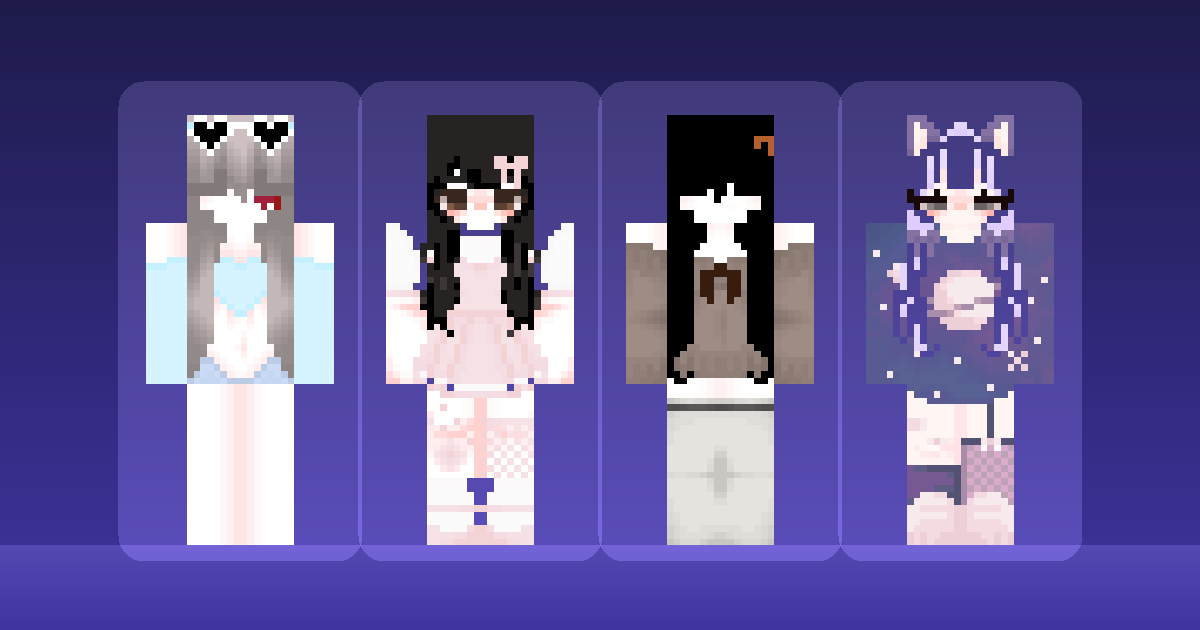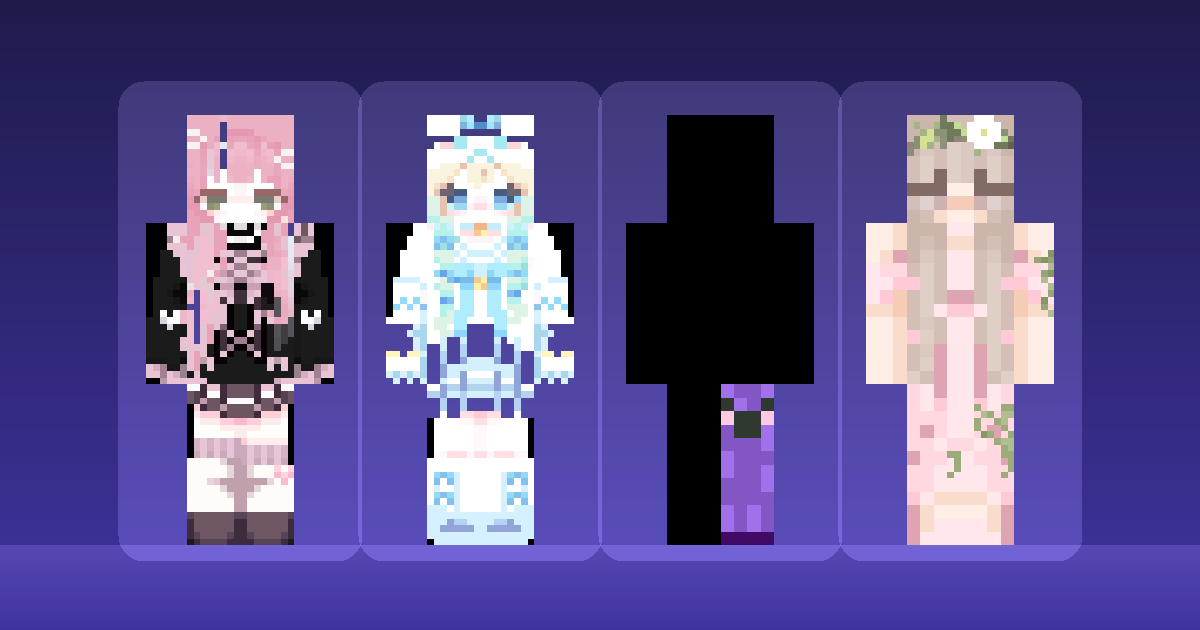
GameModHub Gaming
Minecraft Skin Bases and Templates
The single biggest obstacle to making your own skin is not artistic. It is that a Minecraft skin file looks nothing like a character. It is a flat 64x64 image of rectangles, and working out which rectangle is the back of the left leg is genuinely tedious.
A base solves this. It is a complete, correctly mapped skin — usually a plain figure with simple clothing — made specifically to be modified. Every region is already in the right place, the proportions already work, and the seams already line up. You recolour and adjust rather than build from nothing.
Practically every custom skin you admire started from one.
What a good base gives you
Correct mapping. The head, body, arms and legs are painted, so you can see at a glance which part of the image is which. This alone removes most of the difficulty.
Working seams. Where two faces meet, the colours already match. Edit carefully and they stay matched; build from blank and you will spend an hour chasing thin lines down the character's sides.
A sensible palette. Bases usually come with skin tones and clothing colours that already have tonal range built in. You can shift hues and keep the shading relationships intact.
A known model. Every base is built for Classic or Slim. Start from one that matches the model you intend to use, because switching afterwards means repainting both arms.
Bases in the library
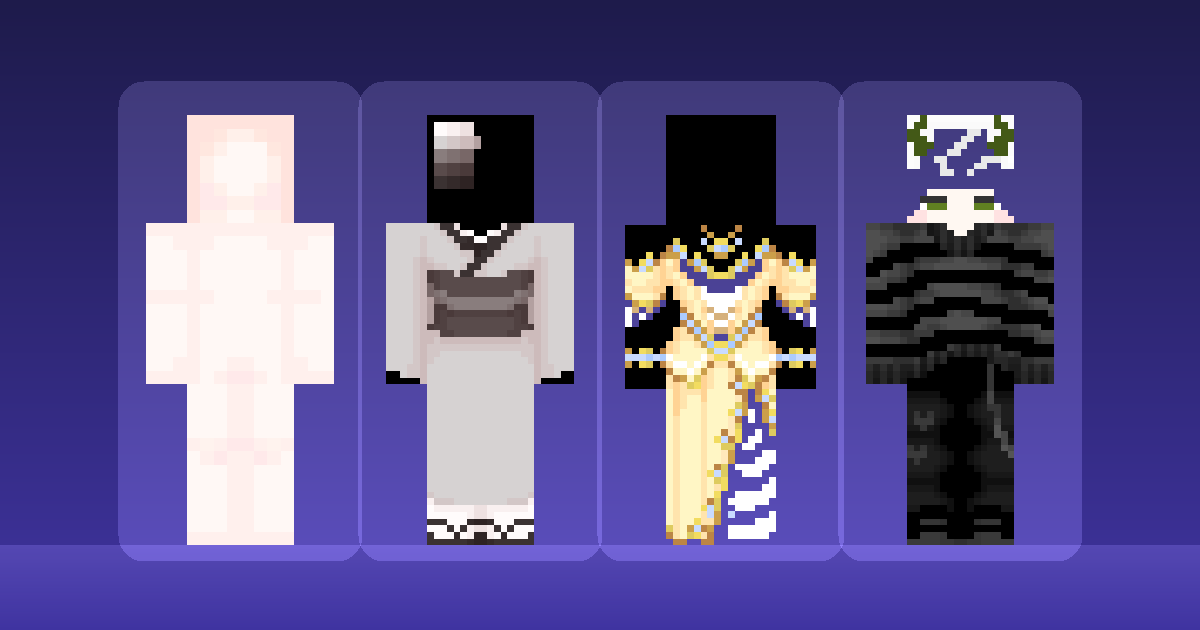
64x64 Skin Base — Unisex is the most neutral starting point here: plain, unfussy, and built at standard resolution so it will upload to vanilla without complaint.
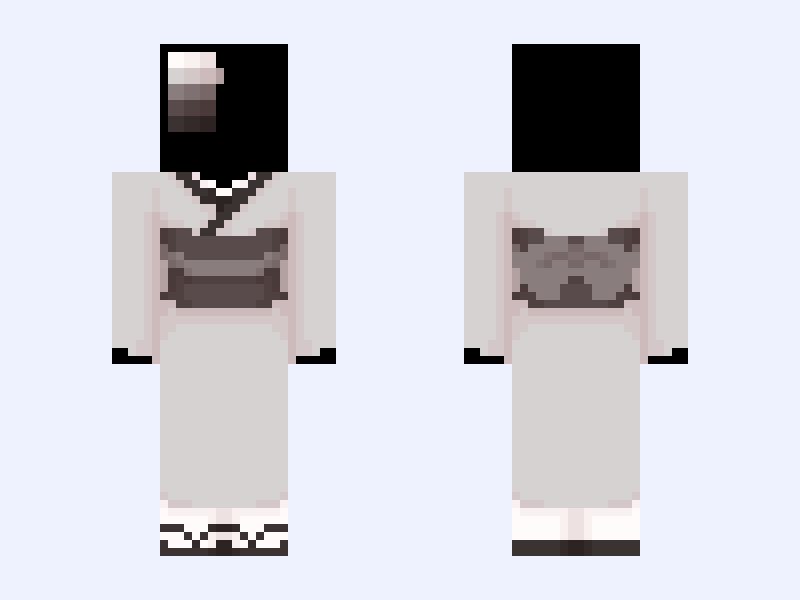
Kimono Base is the opposite approach — a base with a strong garment already designed, meant for recolouring rather than restructuring. Good when you want the silhouette and only need to change the palette.
Base Remake: Sunniva and Star Dress Base are both full character bases with detailed clothing, useful if you want to change the colours and accessories but keep a finished-looking outfit.
Black Grunge Emo Base and Black Hair Base: Colorful are hair-and-outfit bases, built so the hair can stay and everything else can change.
Credit, and what to change
Bases are shared to be used, which is the whole point of publishing one. The normal etiquette is to credit the original author when you post a skin built on someone's base, particularly if the base is still recognisable in your version.
As for how much to change: if only the palette differs, it is a recolour and worth saying so. If you have redrawn the clothing, rebuilt the hair and changed the silhouette, it is your skin with a base underneath, the same way most art starts from a reference.
The practical advice is to change something structural early — hair shape, an accessory on the overlay, the outfit's cut — so the result does not look like every other skin built on the same file.
The skin-making guide covers the editing workflow, and the layers guide covers the overlay, which is where most of the interesting changes happen.